


Welcome, fellow border-crosser! Prepare for an epic adventure as we dive into the complete guide to crossing the border into Canada, the land of maple syrup, hockey, and friendly “sorry.”
Crossing the border into Canada is an adventure that beckons with promises of breathtaking landscapes, cultural diversity, and warm hospitality. A land of captivating contrasts, from its rugged mountains to its serene lakes, Canada offers a tapestry of experiences that leave an indelible mark on every traveler.
Whether you’re a nature enthusiast, a history buff, or a culinary connoisseur, this vast country welcomes you with open arms and invites you to explore its hidden gems.
But beyond its scenic beauty, crossing the border into Canada also unveils a world of multiculturalism, where traditions from around the globe blend harmoniously, enriching the nation’s identity.
Whether you’re itching to explore the breathtaking landscapes, indulge in poutine, or catch a glimpse of the elusive Canadian moose, understanding the border’s requirements is essential.
Why bother with the nitty-gritty details, you ask? Well, my friend, knowing the ins and outs of border crossing can save you from unexpected delays, passport panics, and potential encounters with Mounties (they’re friendly, but they mean business!).
So, fasten your seatbelts (metaphorically, of course), and let’s embark on a journey through the land of politeness and Tim Hortons.
This guide covers everything from Canada border crossing requirements, passports, and travel documents to visa requirements, declaration forms, proof of funds, travel insurance, and CBSA rules on certain foods and items.
So, pack your bags, bring your curiosity, set foot on the path that leads to crossing the border into Canada, and let’s dive right into this wild ride!
Requirements for Crossing the Border into Canada
First up, we’ve got the Canada Border Crossing Requirements. These golden tickets grant you access to this magical country. So, let’s roll up our sleeves (metaphorically) and get to know these requirements like the backs of our toque-wearing heads.
Passport and Travel Documents:
Now, listen up, folks! Your passport is your VIP pass to Canada. Make sure it’s valid for at least six months beyond your planned departure date because the last thing you want is to be turned away like a hockey puck on the ice.
Check that expiration date, renew if needed, and you’re golden!
However, passports aren’t the only cool kids allowed at the Canadian border. You’re in for a smooth ride if you’re lucky enough to have
- NEXUS cards (if you’re part of the trusted traveler program),
- Enhanced driver’s licenses (if you’re from specific provinces or states), and
- Permanent resident cards.
These fancy documents can help speed up the border-crossing process and make you feel like a VIP. But don’t worry if you don’t have any of these special cards; a good ol’ passport will do the trick just fine.
Oh, and here’s a pro tip: don’t leave your passport renewal or document application to the last minute. Trust me; you don’t want to be stressing over that while packing your parka and inflatable beaver.
Visa Requirements:
Visas, those little stamps that hold the power to unlock new worlds. Now, depending on where you’re from, you may or may not need a visa to enter the land of maple syrup and politeness.
Canada has two categories: visa-exempt countries and visa-required countries. The good news? If you hail from a visa-exempt country, you can enter Canada without a visa. So, pack your bags and get ready for an easier entry.
However, if your passport bears the stamp of a visa-required country, don’t despair. You just need to hop through a few more hoops before joining the Canadian party.
The Canadian government has got you covered with a Temporary Resident Visa (TRV) or an Electronic Travel Authorization (eTA). These nifty permits are like your secret Canadian handshake, granting you access to all the poutine you desire.
The TRV is for longer visits, such as studying or working in Canada, while the eTA is for shorter stays, like tourism or business trips. Check the Canadian government’s official website for a comprehensive list of countries requiring visas and the application process for each.
Remember, we’re all about smooth sailing here, so ensure you’ve got your visa sorted well in advance! So, check your country’s status, apply for the necessary visa if required, and get ready to rock and roll across that border like a true border-crossing champ!
COVID-19 Travel Restrictions:
The pandemic – that uninvited party crasher. As much as we’d love to forget about it, keeping up with the current COVID-19 travel restrictions before making your way to Canada is crucial.
Although there are no more restrictions on COVID-19, these requirements may change faster than a hockey player racing for the net, so staying updated is essential.
During the pandemic, the Canadian government implemented various measures to keep everyone safe and sound, including:
- testing requirements,
- vaccination certificates, and
- quarantine protocols.
But now, COVID-19 restrictions are no longer in place as of October 1, 2022. So, keep an eye on official sources and plan your travel accordingly.
Declaration Forms:
Ah, declarations—the moment of truth at the border crossing. It’s like confessing your love for maple syrup and apologizing for not being Canadian-born. But fret not because, with our guidance, you’ll breeze through this process like a pro.
When entering Canada, you’ll come face-to-face with two necessary declaration forms:
- the customs declaration form (Form E311) and
- the Arrival Card.
These little pieces of paper can make your entry into Canada a breeze or a bit of a headache. Remember, honesty is the best policy when filling out these forms.
Completing these forms accurately and honestly is vital. Think of it as a pop quiz on your knowledge of the items you’re bringing into the country.
Declare those goodies, currencies, or other items of significance you’re carrying. But please leave the moose and beaver costumes at home (unless it’s Halloween).
It’s better to be safe than to end up in a sticky situation trying to explain why you forgot to mention that bottle of maple syrup in your bag.
Moving on from declarations, let’s discuss another crucial aspect: proving your financial capability and arranging accommodation.
Proof of Funds and Accommodation:
When crossing the Canadian border, it’s essential to demonstrate that you have enough funds to support your stay. It’s not about impressing the border officers with stacks of cash but rather ensuring you can cover your expenses while exploring the beauty of Canada.
So, how do you prove your financial prowess?
- Bank statements
- Credit cards
- Traveler’s checks
These are the golden tickets to showing you’ve got what it takes. But hold your loonies and tonies, as the amount you need to show varies based on your planned activities and the length of your stay.
The Canadian government wants to ensure you won’t end up sleeping on a park bench or relying on the kindness of moose. So, gather your bank statements, credit cards, traveler’s checks, or any other acceptable proof of funds, and show Canada that you’re financially savvy.
Now, onto accommodation. No, we’re not talking about building igloos in the wilderness (although that would be quite the adventure!).
You’ll need to provide proof of where you’ll be resting your weary head during your stay. This can be hotel reservations, rental agreements, or even invitation letters from friends or family eagerly awaiting your arrival.
Pro tip: Ensure these documents are easily accessible when crossing the border. You don’t want to be rummaging through your suitcase in a frenzy, creating a scene worthy of a comedy sketch.
Travel Insurance:
You’ve packed your bags; your passport is in hand, but what about travel insurance? Ah, yes, the unsung hero of worry-free adventures. It’s like having a personal superhero by your side, ready to save the day if anything goes awry.
Travel insurance provides coverage for medical emergencies, trip cancellations, baggage loss, and more. It’s like having a safety net to catch you if you fall while trying to catch a glimpse of the Northern Lights.
Imagine hiking in the Rockies or strolling through the charming streets of Quebec City, knowing that if anything unexpected happens, you’ve got backup. When selecting a travel insurance policy, consider the destination, the length of your stay, and the activities you plan to indulge in.
Look for coverage that includes emergency medical expenses, evacuation, trip interruption, and baggage coverage. Don’t forget to review the policy details, including limitations and exclusions—you don’t want to discover any surprises when it’s too late!
This is just like having a Swiss Army knife of protection for your Canadian escapade. Just remember to read the fine print and understand any limitations or exclusions.
Can you cross the Canadian border by car?

Yes, you can cross the Canadian border by car. Canada shares land borders with the United States, and there are numerous border crossings available for travelers entering the country by car.
Whether you’re a Canadian resident returning home or an international visitor, crossing the border by car is a common and popular mode of entry.
To cross the Canadian border by car, you’ll need to present the necessary travel documents, such as a valid passport. In some cases, you’d be required to provide a visa or an Electronic Travel Authorization (eTA) if you are from a visa-exempt country.
Canadian immigration officers will conduct a brief interview and may ask questions about the purpose of your visit, your intended duration of stay, and your plans while in Canada.
It’s essential to comply with all immigration regulations and have all required documents ready to ensure a smooth and hassle-free border crossing experience.
What do you Need to Cross the Canadian Border by Car?
When it comes to crossing the Canadian border by car, there are a few things you’ll need to have in your glove compartment (figuratively speaking, of course!). You’ll need a valid passport, Identification, proof of vehicle ownership, a driver’s license, and any necessary rental agreements.
Let’s break it down and ensure you’re well-prepared for the road trip of a lifetime.
1. Valid Passport:
Your trusty passport is your golden ticket to international travel, and crossing the Canadian border is no exception. Before you embark on your road trip, double-check that your passport is up-to-date and will remain valid for the duration of your visit. Think of it as your travel companion, ready to take you on a journey to the land of poutine and politeness.
2. Identification:
Along with your passport, it’s always a good idea to have an additional form of identification handy. Your driver’s license will do the trick here, but if you want to show off your travel-savvy, consider getting an enhanced driver’s license. It’s like a regular license, but with a fancy upgrade that allows for easier border crossings. Trust us; the border officers will be impressed!
3. Vehicle Documentation:
Now, let’s talk about your four-wheeled companion. Ensure you have all the necessary vehicle documentation in order before hitting the road. This includes vehicle registration, insurance proof, and other required permits. You don’t want to be in a sticky situation at the border, trying to explain why you forgot these important papers. Avoid the drama and have them ready to go!
4. Travel Itinerary:
The Canadian border officers love a good travel itinerary. It shows them you’ve planned your trip and have a clear idea of where you’re headed. So, before you embark on your cross-border adventure, map out your journey, highlight the must-visit destinations, and have a rough idea of your intended duration of stay. It’s like showing your road trip game plan, and it definitely impresses the border patrol!
5. Know the Rules:
Rules are not always the most exciting aspect of travel, but they’re necessary. Before crossing the Canadian border, familiarize yourself with the rules and regulations in place. Are there any restrictions on bringing certain items across the border? Are there specific road laws you need to be aware of? Knowledge is power, my friends, and it helps you navigate your way into Canada without any unexpected detours.
To ensure a smooth entry into Canada, it’s advisable to familiarize yourself with the Canadian Border Services Agency (CBSA) guidelines and regulations and declare all items accurately upon arrival.
6. Pets on Board:
Are you planning to bring your furry friend along for the adventure? Great choice! But don’t forget that your fluffy companion needs proper documentation too. Canada loves its four-legged visitors, but they need to meet certain requirements.
Ensure your pet has an up-to-date rabies vaccination certificate, and carry their health records with you, just in case.
Pro tip: Pack some treats and toys for your pet to keep them entertained during the long drive. Trust me; it’ll save you from hearing endless barks or meows of “Are we there yet?”
7. Food and Other Essentials:
Now, let’s talk about sustenance. Snacks, glorious snacks! While Canada has its fair share of poutine and maple syrup, you might want to bring some of your favorite road trip snacks along.
Just make sure they comply with Canada’s customs regulations. Fresh fruits and vegetables, for example, might need to stay behind, but don’t worry – you’ll find plenty of local goodies to feast on once you’re across the border.
And don’t forget to pack some essentials for the journey – a first aid kit, extra water, and a roadside emergency kit. After all, you never know when you’ll need to change a tire or have a dance-off with a friendly moose while waiting for roadside assistance.
What can you bring into Canada by Car?
You are generally allowed to bring personal items, such as clothing, electronics, and personal care products, for your own use during your stay. However, there are limitations on certain goods, such as alcohol, tobacco, and firearms, which may require additional permits or declarations.
It is important to note that certain items, such as prohibited weapons, narcotics, and counterfeit goods, are strictly forbidden. Additionally, agricultural products, plants, and certain food items are subject to specific regulations and may require permits or inspection.
To ensure a smooth entry into Canada, it’s advisable to familiarize yourself with the Canada Border Services Agency (CBSA) guidelines and regulations and declare all items accurately upon arrival.
What food can I bring into Canada?
The following are some common food products you can bring into Canada without an import permit. However, there are some rules and regulations for certain food items and products.
It’s important to note that the quantities and values mentioned may be subject to change, so it’s always a good idea to double-check before traveling.
Here are some common food products that you can typically bring into Canada:
1. Fruits and vegetables:
You can generally bring a limited quantity of fresh fruits and vegetables for personal consumption. However, it’s important to ensure they are free from pests and diseases. Certain fruits and vegetables may have specific restrictions based on the risk of introducing pests or diseases to Canadian agriculture.
2. Dairy products:
Small quantities of dairy products like cheese, milk, and yogurt are typically allowed. However, some types of cheese may have specific regulations due to concerns about unpasteurized cheese or certain bacterial cultures. It’s advisable to check the specific rules for the types of cheese you plan to bring.
3. Meat and poultry:
Cooked or canned meat and poultry products are generally allowed for personal use. However, restrictions may apply to fresh or raw meat due to the risk of introducing diseases. It’s essential to be aware of the regulations regarding the country of origin and any diseases that may affect livestock.
4. Fish and seafood:
All species of fish and seafood are usually permissible for personal consumption. However, there are restrictions on certain species of fish or seafood, such as Pufferfish and Chinese mitten crab, due to conservation concerns or potential contaminants.
It’s essential to find out if your fish is on the CITES list and the importation requirements beforehand.
5. Baked foods and snacks:
Baked foods such as bread, cookies, and pastries are generally allowed in limited quantities for personal use. Snacks like chocolate, candy, and chips are also typically permissible. However, it’s important to ensure that the products are commercially packaged and do not contain meat.
6. Condiments and dressings:
Generally, there are no restrictions on condiments and dressings. You can bring up to 20 kg of condiments and dressings for personal consumption.
7. Processed fruit or vegetables (including herbs):
If you enjoy dried, frozen, or canned fruits, vegetables, or herbs, you can bring them along for personal use. These processed items, including dried fruits, frozen vegetables, or canned herbs, are subject to inspection, so ensure they comply with any labeling and safety requirements.
8. Spices, tea, and coffee:
You can bring up to 20 kg of spices for personal use. Whether aromatic spices like cinnamon and nutmeg or savory ones like cumin and paprika, ensure they are properly packaged and labeled.
Canada is known for its love of tea and coffee. You can bring these beverages along with you, typically up to 20 kilograms per person. Whether you prefer loose-leaf tea, tea bags, ground coffee, or whole beans, pack them securely for your journey.
9. Animal fat or suet:
You can generally bring up to 20 kilograms (44 pounds) of animal fat or suet. However, there are some restrictions and requirements.
10. Grain-derived foods:
You can bring grain-derived products like bread, pasta, rice, and other similar items as long as they are for personal use and not intended for commercial purposes. These products are often staples in many diets and are generally allowed to weigh 20 kg per person.
11. Honey and maple syrup
Honey lovers can rejoice, as you can bring up to 20 kilograms of honey for personal consumption. Whether it’s raw honey, flavored honey, or creamed honey, ensure it is properly sealed and packaged. You are also allowed to bring in maple syrup of up to 20 L and 4 kg of maple products.
Remember, these guidelines are for personal use, and if you’re bringing food products for commercial purposes or in larger quantities, different rules may apply. It’s always a good idea to check with the Canadian Food Inspection Agency (CFIA) or the Canada Border Services Agency (CBSA) for the most up-to-date information before traveling to Canada.
Do I need to declare food at Canadian Customs?
Yes, declaring food items when crossing the Canadian border is generally required. The Canada Border Services Agency (CBSA) has specific regulations regarding the importation of food products, and it’s important to comply with these rules to ensure a smooth entry into the country.
When you arrive in Canada, you will be asked to complete a declaration form, which includes questions about the items you bring with you, including food. It is essential to accurately declare any food items you have in your possession, regardless of whether they are commercially packaged or homemade.
The purpose of declaring food items is to allow the CBSA to assess potential risks associated with the importation of certain foods. Some of these risks may include the introduction of pests, diseases, or prohibited substances.
Hence, some food items may be subject to restrictions or require additional documentation, such as permits or certificates, to be brought into Canada legally.
By declaring your food items, you can avoid penalties and ensure compliance with Canadian regulations. If in doubt about whether a specific food item is allowed or requires a declaration, it is recommended to consult the CBSA website or contact the CBSA directly for guidance before your trip.
What happens if you don’t declare food at Customs?
If you fail to declare food items at customs when entering Canada, it can have several consequences. The Canada Border Services Agency (CBSA) takes the declaration process seriously, and not declaring food can violate customs regulations.
Here’s what may happen if you don’t declare food at customs:
- Penalties and Fines: Failing to declare food items can result in penalties and fines of up to $1300 imposed by the CBSA. The exact amount of the fine may vary depending on the severity of the violation and the value of the undeclared goods.
- Confiscation of Goods: If CBSA officers discover undeclared food items during an inspection, they can confiscate them. The confiscated items may be destroyed or disposed of, depending on their nature and associated risks.
- Legal Consequences: Intentionally or repeatedly failing to declare food items can violate customs laws. In some cases, it may even lead to legal consequences, including potential criminal charges or prosecution.
- Loss of Trust and Reputation: Not declaring food items can lead to losing trust with customs authorities. This can have long-term consequences if you frequently travel to or from Canada, as your future interactions with customs may be subject to increased scrutiny.
It’s important to understand that declaring food items is not just a matter of compliance. But also a measure to protect public health, prevent the introduction of pests or diseases, and ensure food safety within the country.
To avoid these potential issues, it is strongly recommended that you declare all food items and follow the guidelines provided by the CBSA when entering Canada.
What does it mean to declare food?
Declaring food means officially disclosing or announcing the presence of food items you are carrying or transporting when entering a country through customs.
When you arrive at a border checkpoint or customs inspection point, you are typically required to complete a customs declaration form or verbally declare the goods you bring.
When declaring food, you provide information about the types of food items you have, their quantities, and their origins. This information helps customs authorities assess any potential risks associated with the importation of food, such as the introduction of pests, diseases, or prohibited substances.
Additionally, it ensures compliance with the country’s regulations regarding importing food products. This process allows customs officers to properly inspect, assess, and determine the admissibility of the food items based on the applicable laws and regulations.
Declaring food is important to ensure transparency, promote food safety, protect public health, and adhere to customs procedures when crossing international borders. It is a way to comply with the legal and regulatory requirements of the country you are entering and helps facilitate a smooth and lawful entry process.
What do you have to declare at Customs in Canada?
When entering Canada, there are certain items that you are required to declare at customs. It’s important to declare these items to ensure compliance with Canadian customs regulations.
Here are some common items that you must declare:
- Goods You Must Declare: You are required to declare any goods that you are bringing into Canada, including but not limited to:
- Gifts, souvenirs, and items for resale
- Alcohol and tobacco products
- Currency and monetary instruments exceeding certain amounts
- Weapons, firearms, and ammunition
- Certain controlled or restricted items (e.g., fireworks, certain medications)
- Agricultural and Food Products: Declare all agricultural and food products, including fruits, vegetables, meat, dairy, and seafood. Certain food items have specific restrictions or regulations, so it’s important to declare them and follow the necessary procedures.
- Cash or Monetary Instruments: If you carry over CAD 10,000 (or its equivalent in another currency) in cash, bank drafts, traveler’s cheques, or other monetary instruments, you must declare it to the Canada Border Services Agency (CBSA).
- Prescription Medications: Declare any prescription medications you carry, including those requiring a doctor’s prescription. Make sure to have the necessary documentation and prescriptions for the medications.
- Prohibited or Restricted Items: Declare any items that are prohibited or restricted in Canada, such as certain types of weapons, firearms, or illegal drugs. It’s crucial to be aware of these items’ specific regulations and requirements.
By declaring these items, you help ensure a smooth entry into Canada and comply with customs regulations. Failing to declare goods can result in penalties, confiscation of items, and legal consequences.
Items such as alcoholic beverages, tobacco, and firearms will not be returned to you when you fail to declare them.
Can you bring liquids across the Canadian border?
Yes, you can bring liquids across the Canadian border. However, there are certain restrictions and guidelines that you need to follow. When crossing the border, liquids are subject to the Transportation Security Administration (TSA) guidelines for carry-on items.
For air travel, liquids in carry-on baggage must comply with the 3-1-1 rule: containers must be 3.4 ounces (100 milliliters) or less in volume, all containers must fit in a single quart-sized clear plastic bag, and each passenger can carry only one bag.
This rule applies to both international and domestic flights.
For land travel, such as crossing the border by car, there are no specific restrictions on the quantity of liquids you can bring. However, it is always advisable to check with the Canada Border Services Agency (CBSA) for any specific regulations or restrictions that may be in place.
Additionally, it’s important to note that certain types of liquids, such as alcoholic beverages, may be subject to additional regulations and duties. It’s recommended to familiarize yourself with the specific rules and guidelines for the liquids you intend to bring across the Canadian border.
Does toothpaste count as a liquid when Crossing the Border into Canada?
When crossing the border into Canada, toothpaste is generally considered a liquid or gel for security purposes. Therefore, if you carry toothpaste in your carry-on luggage, it must comply with the restrictions on liquids, gels, and aerosols.
According to CATSA guidelines, liquids, gels, and aerosols in containers of 100 milliliters (3.4 ounces) or less are allowed in your carry-on baggage. This includes toothpaste tubes of 100 milliliters or less. These containers should be placed in a clear, resealable plastic bag with a maximum capacity of 1 liter (1 quart).
Suppose your toothpaste tube exceeds the allowed limit. In that case, you may consider transferring a small amount into a travel-sized container or purchasing travel-sized toothpaste tubes that meet the size requirements.
Is deodorant considered a liquid in Canada?
Deodorant is not considered a liquid when crossing the Canadian border. Most deodorant products, including solid stick deodorants and roll-on deodorants, are allowed in both carry-on and checked luggage without any restrictions.
However, it’s important to note that if you carry a spray or aerosol deodorant, it may be subject to restrictions on liquids, gels, and aerosols. In such cases, the deodorant container should be 100 milliliters (3.4 ounces) or less.
You’re required to place it in a clear, resealable plastic bag with a maximum capacity of 1 liter (1 quart). Each traveler is allowed to carry one such bag.
Canada Customs Restricted Food Items
Canada has specific restrictions on certain food items to protect public health and prevent the introduction of pests or diseases. These restrictions are in place to ensure food safety, protect public health, and prevent the introduction of pests and diseases.
So, while you might need to bid farewell to some treats, it’s all in the best interest of maintaining the country’s unique ecosystems.
Here is a list of some common food items that are restricted or require special permits when entering Canada:
- Meat and Meat Products: Fresh or cooked meats, poultry, and meat products like sausages and deli meats are generally restricted. These items may require permits and veterinary certificates and must meet specific import conditions to be brought into Canada.
- Dairy Products: Dairy items such as milk, cheese, yogurt, and butter are subject to strict regulations. Importing dairy products may require permits, certification, and compliance with health and safety standards.
- Fruits and Vegetables: Many fresh fruits and vegetables are restricted due to the risk of pests and diseases. Certain fruits and vegetables are permitted but must be declared and meet specific import requirements, such as inspection and certification.
- Fish and Seafood: Certain types of fish and seafood may have restrictions to prevent the introduction of invasive species or diseases. Importing fish and seafood products may require permits, documentation, and compliance with health and safety regulations.
- Plants and Seeds: Bringing in plants, flowers, seeds, and bulbs may require permits or phytosanitary certificates to ensure they are free from pests and diseases.
It’s important to note that the specific restrictions and regulations can vary based on the country of origin and the type of food item. Always declare any food items you have to avoid penalties and ensure compliance with Canadian customs regulations.
What are 3 items that are restricted by the CBSA?
The Canada Border Services Agency (CBSA) restricts certain items from being brought into the country for safety, health, or legal reasons.
Here are three examples of items that are commonly restricted:
- Firearms and Weapons: The CBSA has strict regulations regarding importing firearms, ammunition, and certain types of weapons. Individuals must meet specific requirements to bring firearms or weapons into Canada, obtain permits, and declare them at the border. Failure to comply with these regulations can result in penalties or legal consequences.
- Controlled Substances: Importing illegal drugs or controlled substances is strictly prohibited. Canada has its own laws and regulations regarding narcotics, prescription medications, and other substances. It is important to familiarize yourself with these regulations to avoid legal issues.
- Endangered Species and Wildlife Products: The CBSA restricts the importation of endangered species and wildlife products protected under the Convention on International Trade in Endangered Species of Wild Fauna and Flora (CITES). This includes items made from ivory, certain animal hides, and exotic animal products. Importing these items without the necessary permits or documentation is illegal and can lead to severe penalties.
These are just three examples of items that the CBSA restricts. It’s crucial to review the CBSA website or consult with customs authorities for a comprehensive and up-to-date list of restricted items to ensure compliance with Canadian regulations.
Can I Bring Cheese into Canada?
Yes, you can bring cheese into Canada, but there are certain restrictions and regulations that apply. The importation of cheese is subject to specific requirements to ensure food safety and prevent the introduction of pests or diseases. Here are some key points to consider when bringing cheese into Canada:
- Personal Use Quantity: If you are bringing cheese for personal use, you are generally allowed to bring small quantities. The quantity may vary but is typically limited to a reasonable amount for personal consumption.
- Commercial Importation: Additional permits and documentation will be required if you plan to import cheese for commercial purposes, such as for sale or distribution. Commercial importation involves more complex procedures and compliance with specific regulations.
- Cheese Origin: The country of origin for the cheese can impact the import requirements. Different countries may have different regulations and restrictions on cheese importation, so it’s essential to be aware of the specific rules for the country you are bringing the cheese from.
- Cheese Types: Certain types of cheese may have additional restrictions. For example, raw milk cheese, which is made from unpasteurized milk, may have stricter import regulations due to the potential health risks associated with unpasteurized products.
How much cash can I bring into Canada?

There is no specific limit on how much cash you can bring into Canada. However, suppose you carry more than CAD 10,000 (Canadian dollars) or its equivalent in a different currency. In that case, you are required to declare it to the Canada Border Services Agency (CBSA) upon arrival.
This declaration includes cash, traveler’s checks, money orders, and negotiable monetary instruments. It is important to note that the CAD 10,000 threshold applies to the combined total value of all these forms of currency or monetary instruments.
Failure to declare amounts over CAD 10,000 can result in penalties, including the seizure of the undeclared funds and potential legal consequences. To ensure compliance with Canadian customs regulations, declare any amount exceeding CAD 10,000 on the CBSA Declaration Card (Form E311) when entering Canada.
Canada Border Crossing Times
Canada border crossing times can vary depending on several factors, including the border crossing location, time of day, day of the week, and traffic volume. Here are some key points to keep in mind:
- Peak Travel Times: Border crossings are generally busiest during peak travel times, such as weekends, holidays, and summer months. During these times, wait times at the border can be longer due to increased traffic.
- Border Crossing Points: The wait times at different border crossing points can vary significantly. Some border crossings may experience heavier traffic compared to others. Researching and choosing a crossing point known for shorter wait times is advisable if possible.
- NEXUS Program: The NEXUS program is a trusted traveler program between Canada and the United States that allows expedited border crossing for pre-approved individuals. If you are eligible for the NEXUS program, it can significantly reduce your wait times at designated NEXUS lanes.
- CBSA Border Wait Times: The Canada Border Services Agency (CBSA) provides real-time border wait time information on its website. You can check the CBSA website or use their Border Wait Times app for up-to-date information on the wait times at specific border crossings.
- Border Crossing Strategies: To minimize wait times, it’s recommended to plan your border crossing outside of peak travel times if possible. Arriving early in the morning or late at night may result in shorter wait times.
It’s important to note that border crossing times are subject to change and can be affected by unforeseen circumstances such as construction, weather conditions, or security measures. When planning your border crossing, checking real-time updates and allowing ample time for potential delays is advisable.
What are the wait times at the Canadian border?
As earlier mentioned, the wait times at the Canadian border vary greatly and depend on several factors, including the time of day, day of the week, and location of the border crossing.
During peak travel times, such as holidays or long weekends, wait times can be significantly longer.
You can visit the Canada Border Services Agency (CBSA) website to check current border wait times at specific crossings. The CBSA provides estimated wait times at major land border crossings between Canada and the United States.
It’s always a good idea to plan ahead and allow extra time when crossing the border into Canada in case of unexpected delays or long lines. Having all the necessary travel documents in order can help expedite the process.
What are the four forms necessary to cross the border into Canada?
When crossing the border into Canada, there are several documents and forms that may be required, depending on your citizenship, purpose of visit, and mode of transportation.
While the specific requirements can vary, here are four common forms/documents that may be necessary:
- Passport: A valid passport is generally required for entry into Canada. Ensure that your passport is valid for the duration of your stay.
- Visitor Visa (Temporary Resident Visa): Depending on your citizenship, you may need a visitor visa to enter Canada. Citizens from visa-exempt countries like the United States may not require a visitor visa. Still, individuals from many other countries must apply for and obtain a visitor’s visa before traveling to Canada.
- Electronic Travel Authorization (eTA): For individuals from visa-exempt countries who are traveling to Canada by air, an eTA may be required. It is an electronic document linked to your passport and is obtained by completing an online application.
- Customs Declaration Form: You must complete a customs declaration form when entering Canada. This form requires you to declare any goods you bring into the country, including the value of goods, food items, and other items subject to customs regulations.
It’s important to note that additional documents may be required depending on your purpose of travel and entry point into Canada. This can include a work permit, study permit, invitation letter, or any other documents requested by the Canadian border authorities.
What is the best time to cross the Canadian border?
The best time to cross the Canadian border is usually early in the morning, between 4 a.m. and 6 a.m.; late at night, between 9 p.m. and 11 p.m.; and midnight by 1 am. However, this can vary depending on factors such as the specific border crossing point, day of the week, time of year, and current traffic conditions.
Here are a few general tips that may help you choose a good time to cross the Canadian border:
- Early Morning or Late Evening: Crossing the border during off-peak hours, such as early morning or late evening, can often result in shorter wait times. Many travelers prefer crossing before the rush of the day begins or after the peak traffic has subsided.
- Weekdays: If possible, consider crossing the border on weekdays rather than weekends. Weekends, especially during holidays and peak travel seasons, tend to have heavier traffic between 4 p.m. and 7 p.m. On weekdays, traffic increases between 7 a.m. and 9 a.m.
- Avoid Rush Hours: Avoid crossing during peak commute hours when local traffic can add to the congestion at the border. Morning and late afternoon rush hours are generally busier, so plan your travel accordingly.
- Plan Ahead: Research the specific border crossing points you intend to use and check for any real-time traffic updates or wait time information provided by the Canada Border Services Agency (CBSA). This can help you identify lower traffic periods and plan your crossing accordingly.
- NEXUS Program: If you are a frequent traveler between Canada and the United States, you may consider joining the NEXUS program, which allows expedited processing at designated NEXUS lanes. This can significantly reduce wait times for program participants.
It’s important to note that wait times at the Canadian border can be unpredictable and vary depending on numerous factors. Checking real-time traffic updates, allowing ample time for your journey, and being prepared with all necessary documents can help make your border crossing experience smoother.
What is the busiest border crossing in Canada?
The busiest border crossing in Canada is the Ambassador Bridge, which connects Windsor, Ontario, Canada, with Detroit, Michigan, in the United States. It serves as a vital link between the two countries and handles a significant volume of commercial and passenger traffic.
The Ambassador Bridge is a major crossing point for trade between Canada and the United States, making it one of the busiest border crossings in North America. Trucks carrying cargo and vehicles transporting travelers between the two countries frequently use it.
Due to its strategic location and high traffic volume, the Ambassador Bridge can experience longer wait times during peak hours, especially for commercial traffic.
Can you cross the Canadian border 24 hours a day?
Yes, the Canadian border is open 24 hours a day, seven days a week, allowing travelers to cross at any time. The Canada Border Services Agency (CBSA) operates border crossings and provides services to facilitate the entry and exit of individuals and goods.
However, it’s important to note that while the border is open 24/7, some border crossings may have reduced staff or limited services during certain hours, particularly at smaller or less frequently used crossings.
Therefore, it’s always recommended to check the specific operating hours and any restrictions or closures that may affect the particular border crossing you plan to use.
Additionally, it’s essential to comply with all entry requirements. Have the necessary travel documents, and follow any regulations and procedures outlined by the CBSA for a smooth border crossing experience.
Can you cross the Canadian border by walking?

You can cross the Canadian border by walking at specific border crossings that allow pedestrian traffic. Canada has designated pedestrian crossings where individuals can cross the border on foot.
These crossings are typically located in areas with a significant volume of pedestrian traffic or in urban areas where it is more convenient for people to travel on foot.
Examples of border crossings that allow pedestrians include the Peace Arch Border Crossing in British Columbia, the Rainbow Bridge in Niagara Falls, and the Ambassador Bridge in Windsor.
It’s important to note that when crossing the border on foot, you still need to go through the same immigration and customs procedures as individuals crossing in vehicles. You will be required to present your travel documents and answer any necessary questions.
You’re also required to comply with the entry requirements of both Canada and the country you are entering from.
It’s recommended to check the specific border crossing you plan to use for any specific guidelines or restrictions related to pedestrian crossings, as not all crossings may accommodate pedestrian traffic.
What documents do you need to cross the Canadian border on foot as US Citizen and Non-US Citizen?
As a US citizen crossing the Canadian border on foot, you typically need the following three important documents:
- Valid Passport: US citizens must present a valid US passport when entering Canada. This serves as proof of citizenship and nationality and is required for cross-border travel.
- Enhanced Driver’s License (EDL) or Trusted Traveler Program: While a passport is the most common document for US citizens, an alternative option for land and sea travel between the US and Canada is an Enhanced Driver’s License (EDL).
EDLs are available in certain US states and are specifically designed to serve as both a driver’s license and a travel document for crossing borders.
- NEXUS or FAST: Additionally, US citizens who are members of Trusted Traveler Programs such as NEXUS or FAST can use their membership cards for expedited border crossings.
As for non-US citizens crossing the Canadian border on foot, the specific documents required can vary depending on the country of citizenship. Generally, non-US citizens need the following important documents:
- Valid Passport: Non-US citizens must possess a valid passport from their country of citizenship. The passport should have sufficient validity remaining to cover the duration of the intended stay in Canada.
- Visitor Visa or Electronic Travel Authorization (eTA): Depending on the citizenship, non-US citizens may need a visitor visa (also known as a temporary resident visa) or an Electronic Travel Authorization (eTA) to enter Canada. These documents are obtained before travel and grant permission for non-US citizens to visit Canada for a specific period.
- Supporting Documents: Non-US citizens may be required to provide additional supporting documents, such as a letter of invitation, proof of accommodation, proof of sufficient funds, or a return ticket, to demonstrate the purpose of their visit and their intention to leave Canada at the end of their authorized stay.
How long does it take to cross the border into Canada?
In many cases, crossing the border into Canada can take anywhere from 10 to 45 minutes, depending on various factors such as the time of day, day of the week, border crossing location, and traffic volume.
However, it’s important to note that this is a general estimate, and the actual wait times can vary.
During peak travel periods, such as holidays or weekends, or at busy border crossings, wait times may be longer.
It’s advisable to plan your travel accordingly and allow for some extra time when crossing the border, especially during periods of high traffic.
To help manage border crossings more efficiently, the Canada Border Services Agency (CBSA) provides real-time border wait time information on its website and through its CanBorder app.
This allows travelers to check the current wait times at various border crossings and make informed decisions about the best route and time to cross.
Additionally, participating border crossings have NEXUS lanes, which provide expedited processing for low-risk, pre-approved travelers. NEXUS members can often experience faster border crossings compared to regular lanes.
It’s always a good idea to stay updated on current border conditions, check for any potential delays or restrictions, and plan your travel accordingly to ensure a smooth and efficient border crossing experience.
Is it free to cross the Canadian border?
Yes, it is generally free to cross the Canadian border. There are no fees specifically for crossing the border as a traveler. However, please note that there may be certain circumstances where fees or charges apply.
While crossing the border into Canada is free, you may be subject to fees or duties based on the items you bring back with you into Canada. This applies to goods or products that are subject to customs regulations or prohibited categories (such as tobacco, alcohol, or certain food products) or items that exceed personal use or duty-free allowances.
If you exceed the personal exemptions or duty-free limits set by the Canada Border Services Agency (CBSA), you may be required to pay taxes, duties, or other applicable fees on the items you are bringing into the country.
It’s important to familiarize yourself with the current duty and tax regulations and any restrictions on specific items before traveling, especially if you plan to bring back goods that may be subject to additional charges.
Can Uber cross the border to Canada?
Yes, Uber drivers are generally allowed to cross the border from the United States to Canada. However, there are some important considerations to keep in mind:
- Licensing and Documentation: Uber drivers must ensure they have the appropriate licenses and documentation to operate in both countries. This includes having a valid driver’s license, appropriate insurance coverage, and any necessary permits or authorizations required by local authorities.
- Ride Availability: While Uber drivers can cross the border, it’s important to note that ride availability may vary. Some Uber drivers may choose not to cross the border due to personal preferences or logistical reasons. As a result, it’s possible that you may experience limited availability of Uber rides when crossing the border.
- International Roaming Charges: It’s advisable to check with your mobile service provider regarding international roaming charges. Crossing the border may result in additional fees for data usage or calling/texting services, which could impact your ability to use the Uber app seamlessly.
- Immigration and Customs Considerations: When crossing the border, both passengers and drivers are subject to immigration and customs procedures. Ensure you have the necessary travel documents, such as a valid passport, and be prepared to undergo the required inspections and questioning by border officials.
It’s always recommended to plan ahead and communicate with your Uber driver if you are planning to cross the border. They can provide you with information about their willingness to make the trip and any additional considerations you may need to be aware of.
Can you just drive across the Canadian border?
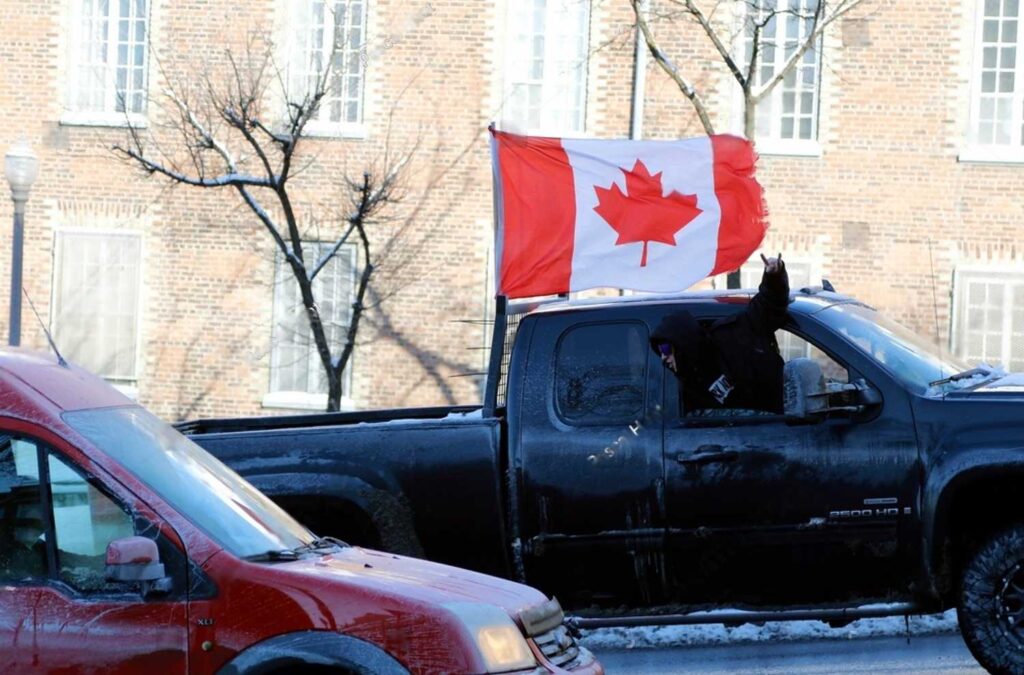
No, you cannot simply drive across the Canadian border without going through the appropriate customs and immigration procedures. When crossing the border into Canada by land, you are required to present yourself at a designated port of entry and go through the border crossing process.
At these designated ports of entry, you will encounter checkpoints staffed by CBSA officers. You are required to stop your vehicle and present your travel documents. These may include a valid passport, visa (if required), and any additional permits or authorizations based on your citizenship and the purpose of your visit.
Keep in mind that you’ll undergo the necessary inspections and questioning by customs officials. These procedures aim to ensure compliance with customs and immigration regulations, maintain border security, and prevent the entry of prohibited or restricted items into Canada.
Driving through unauthorized entry points, such as remote areas or unofficial border crossings, is illegal and considered an immigration violation. It can result in serious consequences, including legal penalties, deportation, and being barred from entering Canada in the future.
Is it hard to drive across the Canadian border?
Driving across the Canada-U.S. border is generally a straightforward process. Still, there are some factors to consider to ensure a smooth experience:
- Travel Documents: Ensure you have the required travel documents, such as a valid passport or other approved travel documents, for yourself and any passengers. Non-U.S. citizens may require additional documentation, such as a visa or Electronic Travel Authorization (eTA) for Canada.
- Vehicle Requirements: If you are driving your own vehicle, ensure that it meets the necessary requirements for crossing the border. This includes valid registration and insurance documents. Rental vehicles should have the appropriate permissions for cross-border travel.
- Customs and Immigration Procedures: Be prepared for customs and immigration inspections. They may ask questions about your trip, the purpose of your visit, the duration of your stay, and the items you carry. Cooperate fully, provide accurate information, and be transparent during the process.
- Declare Goods: If you are bringing goods or merchandise across the border, ensure you declare them appropriately. Failure to declare certain items or providing false information can lead to penalties or legal consequences. It’s important to know the duty and tax regulations for the items you carry.
- Know the Rules and Regulations: Familiarize yourself with the customs and immigration procedures of both Canada and the United States. Understand the duty-free allowances, prohibited items, and any specific regulations related to the goods you are carrying. Certain items may be restricted or require additional documentation or fees.
- Traffic and Wait Times: Consider potential traffic congestion and wait times at the border, especially during peak travel periods. It’s advisable to check real-time border wait time information provided by the Canada Border Services Agency (CBSA) to plan your trip accordingly.
While some administrative procedures and occasional wait times may exist, driving across the Canada-U.S. border is generally manageable.
Ensuring that you have the necessary documentation, comply with customs requirements, and follow the instructions of border officials will contribute to a smoother border crossing experience.
Do they check your car at the Canadian border?
Yes, Canadian border officials have the authority to conduct inspections of vehicles crossing the border. These inspections ensure compliance with customs and immigration regulations and prevent the entry of prohibited or restricted items into the country.
During a vehicle inspection, customs officials may ask questions about your trip, the purpose of your visit, and the items you carry. They may also physically inspect your vehicle, including opening trunks, checking compartments, or using X-ray scanners or drug detection dogs.
The extent of the inspection can vary depending on factors such as your travel history, the type of goods you are carrying, and any specific concerns raised by the officials.
It’s important to cooperate fully with the instructions of the customs officials, provide accurate information, and follow any instructions given during the inspection process.
Additionally, it’s worth noting that not every vehicle crossing the Canadian border undergoes a thorough inspection. Many crossings are routine and may involve only briefly interacting with the border officer.
However, it’s essential to be prepared for the possibility of a more detailed inspection and to comply with any requests from border officials to facilitate a smooth and efficient crossing.
Can I cross the Canadian border with a real ID and birth certificate?
No, a Real ID and birth certificate alone are insufficient documents to cross the Canadian border. While a Real ID and birth certificate may be an acceptable form of identification for domestic travel within the United States.
When crossing an international border, you’ll need a valid passport or other approved travel documents.
To enter Canada, U.S. citizens are required to present one of the following documents:
- Valid U.S. passport: This is the most widely accepted and recommended document for travel to Canada. It demonstrates both citizenship and identity.
- NEXUS card: This is a trusted traveler program card that allows expedited border clearance for pre-approved, low-risk travelers.
- Enhanced Driver’s License (EDL): Only certain U.S. states issue EDLs, which are specifically designed for border crossing purposes and can be used instead of a passport.
It’s important to note that the specific entry requirements can vary based on factors such as your citizenship, mode of transportation, and the purpose of your visit.
Do I need a Covid test to enter Canada?
As of October 1, 2022, there are currently no COVID-19 restrictions for entering Canada. Therefore, you do not need a COVID test to enter the country.
However, it’s important to note that the situation and regulations related to COVID-19 can change quickly and at any time.
It is recommended to keep up with the latest guidelines from the Canadian government and your airline before traveling to Canada.
Additionally, it’s always wise to practice good personal hygiene and follow health protocols during your travels to keep yourself and others healthy and safe.
Furthermore, it’s important to note that you should avoid traveling to Canada if you have any COVID-19 symptoms. If you feel sick while traveling to Canada, you may be subject to further screening and testing upon arrival at the border.
Which state has the most border crossings with Canada?
The state of New York has the most border crossings with Canada. New York shares a total of 17 long borders with the Canadian provinces of Ontario and Quebec.
These result in multiple border crossing points between New York and Canada, including major crossings such as Buffalo-Niagara Falls, Champlain-Rouses Point, and Thousand Islands.
These crossings facilitate both road and rail travel between the United States and Canada, serving as important gateways for trade and tourism.
13 states that border Canada
The 13 U.S. states that share a border with Canada are:
- Alaska
- Washington
- Idaho
- Montana
- North Dakota
- Minnesota
- Michigan
- Ohio
- Pennsylvania
- New York
- Vermont
- New Hampshire
- Maine
These states have various border crossings and play an important role in facilitating trade, tourism, and cultural exchange between the United States and Canada. Each border crossing has its own regulations and procedures for crossing, and it’s important to familiarize yourself with the specific requirements of the border crossing you plan to use.
How many countries border Canada?
Canada shares its borders with three countries:
- United States: Canada shares the longest international border in the world with the United States. The border stretches over 8,891 kilometers (5,525 miles) and spans from the Atlantic Ocean in the east to the Pacific Ocean in the west.
- France: Canada shares a maritime border with France through the French overseas territories of Saint Pierre and Miquelon. These islands are located off the coast of the Canadian province of Newfoundland and Labrador.
- Denmark (Greenland): Canada shares a maritime boundary with Denmark through Greenland, which is an autonomous territory of Denmark. The boundary lies in the Arctic Ocean and the Nares Strait.
It’s worth noting that the Canada-United States border is by far the most significant and heavily trafficked border among the three.
What questions do Canadian immigration officers ask to visitors?
Canadian immigration officers ask visitors a series of questions to determine the purpose of their visit, verify their eligibility for entry, and assess the intention to comply with immigration rules.
The questions may vary depending on the traveler’s nationality, visa type (if applicable), and the reason for their visit. Some common questions that Canadian immigration officers may ask visitors include:
- What is the purpose of your visit to Canada?
- How long do you plan to stay in Canada?
- Where will you be staying during your visit?
- Do you have a return ticket to your home country?
- What is your occupation or profession back home?
- Have you visited Canada before? If yes, when and for how long?
- Do you have family or friends in Canada? If yes, where do they live?
- How do you plan to finance your stay in Canada?
- Are you carrying any goods or items for someone else?
- Have you ever been refused entry to Canada or any other country?
- Are you in good health and not posing a risk to public health in Canada?
- Are you carrying over CAD 10,000 in cash or equivalent in other currencies?
These questions are intended to assess the visitor’s intentions, ensure compliance with Canadian immigration laws, and maintain the safety and security of the country.
It’s essential to answer truthfully and concisely, providing all necessary documentation to support your visit’s purpose. Failure to do so may result in entry refusal.
Visitors are encouraged to familiarize themselves with the specific requirements and regulations related to their visit to Canada to ensure a smooth entry process.
Is it easy to cross the border into Canada?
Crossing the border into Canada can be relatively easy for many travelers, provided they meet the necessary requirements and have the appropriate documentation. For citizens of visa-exempt countries like the United States and several European nations, entry is often straightforward for short-term visits.
However, visitors must still answer questions from immigration officers and demonstrate the purpose of their visit. For travelers from non-visa-exempt countries or for longer stays, obtaining the appropriate visa or permit may be required, which involves a more thorough application process.
Overall, with proper preparation and adherence to immigration regulations, crossing the border into Canada can be a smooth and enjoyable experience.
Summary
Armed with this ultimate guide to crossing the border into Canada, your journey will be a seamless and memorable experience. By ensuring you have a valid passport and, if required, obtaining the necessary travel authorizations, you set the stage for a hassle-free entry.
Knowing the specific documents to carry, such as proof of funds and accommodation, will instill confidence in the immigration officers.
Embracing the diverse experiences that Canada offers, from its captivating landscapes to its vibrant cities, will leave you in awe of this remarkable country. Remember to respect and appreciate the multiculturalism that defines Canada, as it enriches your adventure.
Before you embark on your adventure, familiarize yourself with specific entry requirements based on your nationality and the purpose of your visit. Being prepared and truthful in your interactions with the immigration officers will pave the way for a warm welcome.
So, pack your bags, put on your explorer’s hat, and embark on this unforgettable journey to Canada, where extraordinary experiences await you at every turn. Bon voyage!
